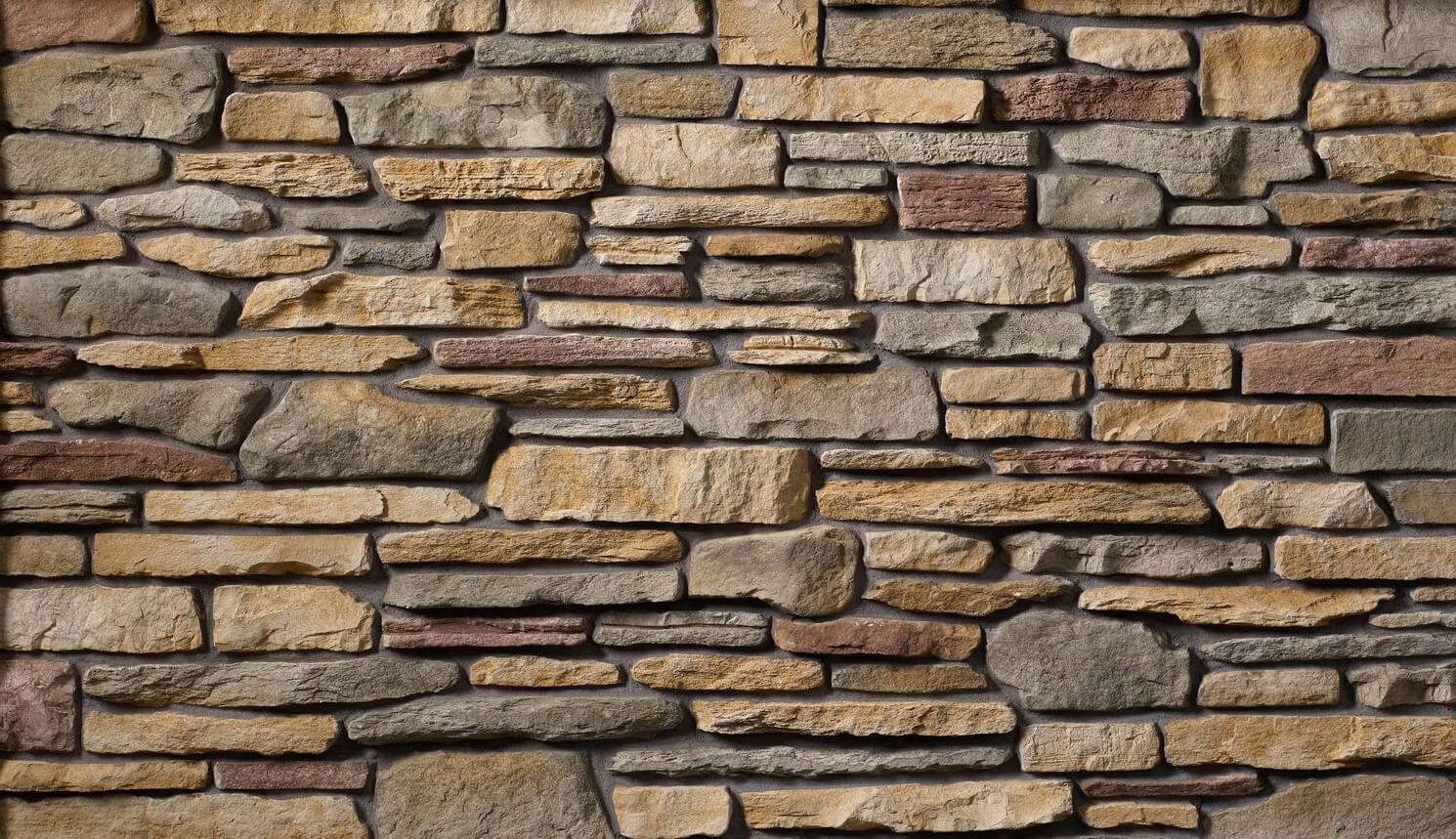
Upgrading your home’s exterior or interior begins with selecting the right materials, and stone accents remain a timeless favorite. However, not everyone is ready to commit to the cost and complexity of natural stone. Enter cultured stone—a high-quality alternative designed to replicate the look of real stone, but at a fraction of the cost. Lightweight, budget-friendly, and easier to install, cultured stone seamlessly blends rustic charm with modern style, making it a popular choice for many homeowners. But is it the right choice for your space? Let’s explore the key advantages and drawbacks to help you make the best decision for your home.
What Is a Cultured Stone?
Cultured stone is an engineered material crafted from a blend of cement, aggregates, and pigments. Designed to replicate the texture and appearance of natural stone, it offers a lighter and more manageable alternative. This versatility makes it a popular choice for custom homes, particularly in upscale neighborhoods where style and practicality hold equal importance.
PROS OF USING CULTURED STONE
1. Cost-Effective Without Sacrificing Style
Cultured stone is more affordable than natural stone, offering the same high-end look at a lower cost. It lets homeowners achieve a luxurious style without the expense of quarrying, transporting, and installing heavy stone. For homeowners, it’s a cost-effective way to balance budget and quality.
2. Lightweight and Easier to Install
Cultured stone is a lightweight, versatile alternative to natural stone, allowing easier installation on surfaces like wood frames, drywall, and concrete without extra reinforcements. It’s perfect for fireplaces, accent walls, outdoor pillars, and entryways. In custom home design, cultured stone adds style while saving time and reducing labor costs, making it a practical choice.
3. Variety of Styles and Colors
Cultured stone provides an impressive array of textures, shapes, and colors, allowing you to effortlessly complement or contrast with any design style. Whether you’re aiming for the rustic charm of a mountain lodge or the polished elegance of a modern aesthetic, there’s a perfect option to suit your vision. Its versatility makes it easy to achieve cohesive, sophisticated designs with ease.
4. Durability and Low Maintenance
Properly installed cultured stone offers exceptional durability, standing strong against fading, chipping, and harsh weather conditions. Its non-combustible nature provides added fire resistance, enhancing the safety of your home. Maintenance is a breeze—simply clean with water and mild soap, with most applications requiring no regular sealing. For busy homeowners, low-maintenance cultured stone Promontory options deliver timeless beauty and peace of mind.
CONS OF USING CULTURED STONE
1. Not as Durable as Natural Stone
While cultured stone is built to last, it doesn’t quite match the strength and longevity of natural stone. Over time, if not properly installed or exposed to extreme conditions, it may crack or wear down faster. Edges are particularly vulnerable to chipping. That said, many of these issues can be avoided with professional installation and regular upkeep.
2. Potential for Moisture Damage
Cultured stone is naturally porous, making proper drainage and waterproof barriers essential to prevent moisture issues. In colder climates, trapped water can seep behind the veneer, freeze, and lead to cracking or mold growth. For homes in snowy, freezing regions, it’s crucial to ensure installations meet strict moisture control standards to avoid long-term damage.
3. Color May Fade Over Time
Although cultured stone is designed to be colorfast, exposure to direct sunlight over many years can cause some fading. This is especially true for darker shades and unsealed surfaces. If you’re using it in high-exposure areas, applying a UV-resistant sealant may help preserve the finish for longer.
WHERE CULTURED STONE WORKS BEST
To get the most value out of cultured stone, it’s important to use it in the right areas. Ideal applications include:
- Fireplace surrounds – A cozy, elegant addition indoors.
- Exterior facades – Adds curb appeal without full stone cladding.
- Entry columns or porch bases – Enhances architectural details.
- Accent walls – Creates visual depth in living rooms or kitchens.
Using cultured stone strategically throughout your home can enhance visual interest without overwhelming the design.
Conclusion
Is cultured stone worth it? For many homeowners, the answer is a resounding yes—particularly when affordability, design versatility, and aesthetic appeal are top priorities. While it may not match the durability of natural quarried stone, cultured stone delivers exceptional value when installed and maintained correctly. In scenic areas like this, it effortlessly blends beauty with practicality. Whether you’re constructing a new home or renovating an existing one, cultured stone is a smart and stylish investment.