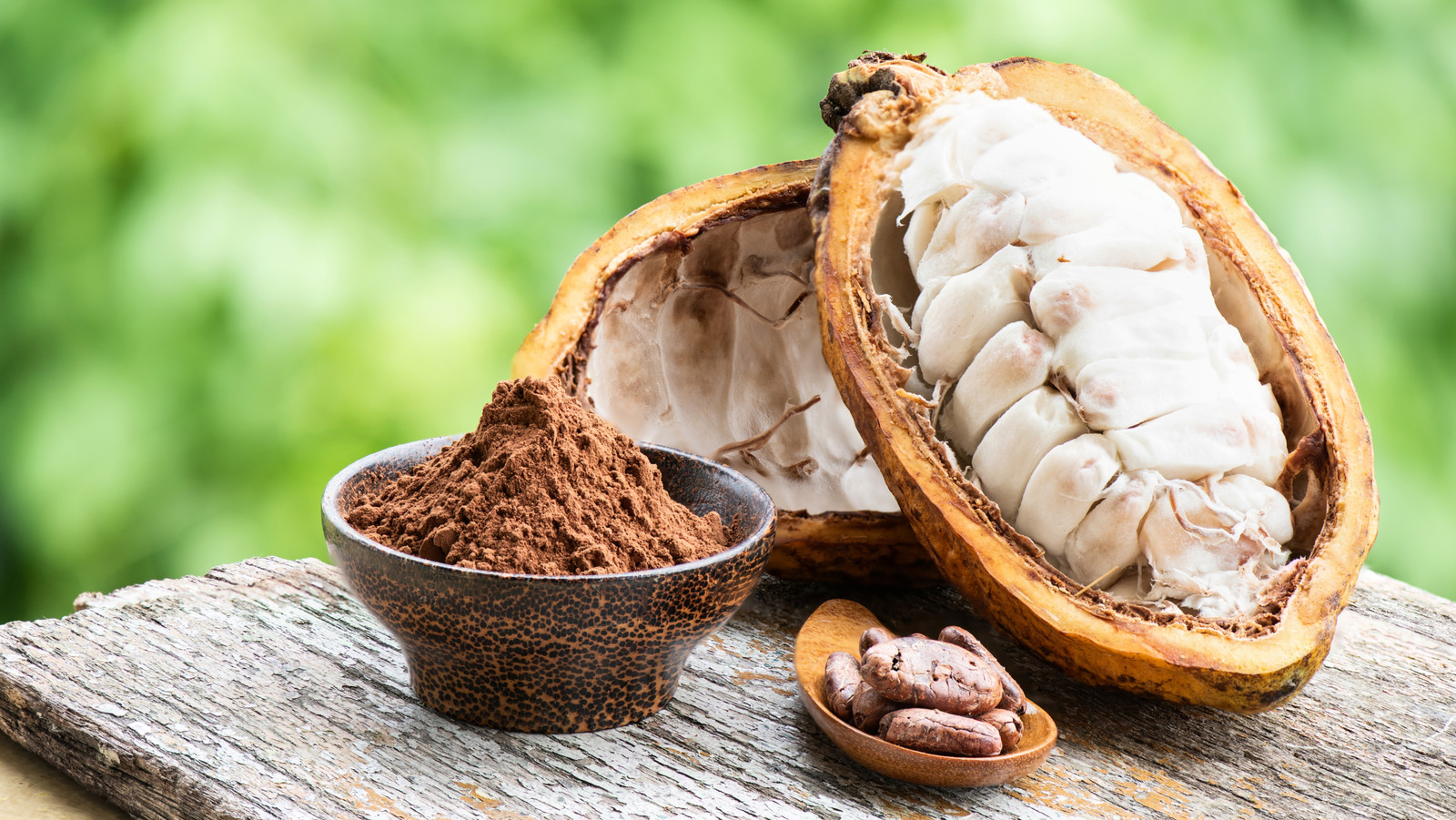
Finding premium cocao beans in Canada has become essential for chocolatiers, bakers, health enthusiasts, and culinary innovators who understand that exceptional end products begin with exceptional raw materials. As Canadian consumers become increasingly sophisticated about ingredient quality and sourcing transparency, the demand for authentic, properly processed cacao beans has grown substantially. This comprehensive guide helps you navigate the Canadian market for cacao beans, understand what distinguishes quality products, and make informed purchasing decisions that align with your specific needs.
The Canadian Cacao Bean Market Landscape
Canada’s specialty food market has transformed dramatically over recent years, with cacao beans transitioning from obscure professional ingredients to sought-after products available to discerning consumers nationwide. This shift reflects broader changes in how Canadians think about food—prioritizing quality over convenience, valuing ingredient transparency, and seeking products that deliver both exceptional taste and nutritional benefits.
The growth of Canada’s artisan chocolate industry has played a significant role in increasing cacao bean accessibility. As small-scale chocolate makers have demonstrated the remarkable difference that quality beans make in final products, consumers have become more educated and demanding about bean quality. This educated consumer base has encouraged suppliers to curate better selections and provide more detailed information about origins, processing, and flavor characteristics.
Canadian interest in cacao beans extends beyond traditional chocolate making. The wellness movement has embraced cacao as a superfood rich in antioxidants, magnesium, and beneficial compounds that support cardiovascular health and mood enhancement. Raw food enthusiasts value minimally processed cacao for its nutritional density, while innovative chefs explore cacao’s applications in both sweet and savory culinary creations.
What Distinguishes Premium Cacao Beans
Understanding quality markers empowers Canadian buyers to identify truly exceptional cacao beans worth their investment. Premium beans begin with careful cultivation in ideal growing conditions where climate, soil composition, and farming practices support healthy cacao trees producing flavorful seeds.
Genetic variety significantly impacts quality and flavor. Fine flavor cacao varieties like Criollo, Trinitario, and Nacional represent only a small percentage of global production but offer complex, nuanced flavors that commodity-grade beans cannot match. These premium varieties command higher prices but deliver correspondingly superior results in finished products.
Post-harvest processing critically determines final bean quality. Proper fermentation—typically lasting five to seven days—develops the flavor precursors essential for good chocolate taste. This fermentation must be carefully controlled, as inadequate fermentation results in astringent, harsh flavors, while over-fermentation can create off-notes and defects.
Drying follows fermentation and requires equal attention. Beans must reach optimal moisture content—typically 6-8%—to prevent mold growth and ensure proper storage stability. Rushing the drying process or using excessive heat can damage flavor development, while inadequate drying creates food safety concerns and storage problems.
Visual examination reveals much about bean quality. Premium cacao beans display uniform size within their variety, consistent coloring without discoloration or spots, and solid structure free from cracks, holes, or pest damage. The beans should appear plump and well-formed rather than shriveled or malformed.
Why Source Cacao Beans Within Canada
Purchasing cacao beans from Canadian suppliers offers compelling advantages that extend far beyond geographic convenience. These benefits impact product quality, purchasing experience, and overall satisfaction.
Shipping speed represents perhaps the most immediate advantage. Domestic Canadian shipping typically delivers within days, ensuring beans spend minimal time in transit exposed to variable temperature and humidity conditions. International shipping can take weeks, during which beans may experience temperature extremes, humidity fluctuations, and handling that compromises quality.
Canadian suppliers navigate complex import regulations, customs procedures, and food safety compliance on behalf of customers. This expertise eliminates the bureaucratic challenges, potential delays, and uncertainty individual buyers would face attempting to import cacao beans independently. Products available through Canadian channels have already cleared all regulatory hurdles and meet Canadian standards.
Financial transparency and stability distinguish domestic purchasing. Transactions in Canadian dollars eliminate exchange rate uncertainty and conversion fees that can significantly increase costs when ordering internationally. Pricing remains clear and predictable, simplifying budgeting for both individual enthusiasts and commercial buyers.
Customer service quality typically exceeds what international suppliers provide. Canadian companies operate during convenient business hours for Canadian customers, understand local market dynamics, and can offer guidance specific to Canadian conditions. This accessibility proves invaluable when you need recommendations, have questions about products, or require assistance with orders.
Exploring Different Cacao Bean Origins
Cacao beans from various growing regions offer distinctive flavor profiles that appeal to different preferences and suit specific applications. Understanding these regional characteristics helps buyers select beans matching their creative vision and practical requirements.
South American cacao, particularly from countries like Ecuador, Peru, and Venezuela, tends toward complex, fruity flavor profiles with floral notes and bright acidity. Ecuadorian Nacional beans present delicate, aromatic qualities with subtle fruit and floral characteristics. Peruvian beans often show nutty, earthy notes with pleasant natural sweetness. Venezuelan cacao, especially from specific regions, ranks among the world’s finest with layers of complexity.
Central American and Caribbean cacao from countries like Dominican Republic typically delivers more straightforward chocolate flavor with nutty undertones and moderate acidity. These beans provide classic chocolate taste that works beautifully in applications where you want recognizable, crowd-pleasing chocolate flavor without excessive complexity.
African cacao offers robust, bold chocolate flavor with earthy characteristics and less fruit-forward notes than South American varieties. These beans provide intense chocolate taste suitable for applications requiring strong chocolate presence.
Diverse Applications for Cacao Beans
Canadian buyers purchase cacao beans for remarkably varied purposes, each benefiting from starting with quality whole beans rather than processed chocolate products.
Traditional chocolate making allows complete creative control. The process involves roasting beans to desired levels, winnowing to remove husks, grinding to create chocolate liquor, refining to achieve smoothness, and conching to develop final flavor. This comprehensive approach enables chocolatiers to craft products with specific characteristics impossible to achieve starting with commercial chocolate.
Bean-to-bar chocolate makers particularly value working with whole beans, as this approach allows them to showcase specific origins, create custom blends, and develop signature flavor profiles that distinguish their products in competitive markets.
Raw food applications have grown substantially among health-conscious Canadians. Using unroasted cacao beans preserves heat-sensitive nutrients and creates products with maximum nutritional value. Raw chocolate making, cacao nib creation for smoothies and toppings, and grinding into raw cacao powder all utilize beans processed at low temperatures.
Baking and pastry applications benefit from using cacao nibs or ground cacao beans, adding intense chocolate flavor and interesting texture to cookies, brownies, breads, muffins, and specialty pastries. This approach allows bakers to control sugar content and avoid additives present in commercial chocolate chips or chunks.
Beverage creators use cacao beans for making authentic hot chocolate from scratch, cold brew cacao drinks, and as flavor components in specialty coffee drinks and craft cocktails. These applications showcase cacao’s versatility beyond conventional uses.
Practical Purchasing Considerations
When evaluating where to buy cacao beans in Canada, several practical factors influence decision-making beyond basic product quality.
Quantity options should match your needs and usage patterns. Suppliers offering multiple size options accommodate both experimental buyers wanting to sample small amounts and regular users needing larger quantities for consistent production. Starting with smaller quantities makes sense when trying new origins or varieties, while established users benefit from bulk purchasing that offers better per-unit pricing.
Packaging quality protects beans during shipping and facilitates proper storage after arrival. Look for suppliers using food-grade, resealable packaging that guards against moisture, light, and odors. Well-packaged beans arrive in optimal condition and remain fresh longer after opening.
Product information demonstrates supplier expertise and transparency. Quality suppliers provide detailed descriptions including origin specifics, variety information, processing methods, flavor notes, and usage recommendations. This information enables informed purchasing decisions and sets appropriate expectations for bean characteristics.
Storage Requirements for Canadian Conditions
Proper storage maintains bean quality and prevents degradation that compromises flavor and usability. Cacao beans require cool, dry, dark storage conditions away from strong odors that they readily absorb.
Ideal storage temperatures range between 15-18°C with relative humidity below 70%. These conditions prevent mold growth while preserving flavor complexity and preventing fat bloom or other quality issues.
Use airtight containers made from glass, food-grade plastic, or other non-reactive materials. Proper containers protect beans from humidity, oxygen exposure, and environmental odors while maintaining optimal conditions.
Canadian seasonal variations affect storage requirements. Winter conditions typically create suitable indoor environments, while summer humidity and heat demand more attention to storage location selection. Consider the coolest, driest areas in your home for cacao bean storage.
Conclusion
Sourcing premium cocao beans in Canada empowers you to create exceptional chocolate products, incorporate nutritious ingredients into your diet, and explore the rewarding world of working with whole cacao beans. By selecting Canadian suppliers who prioritize quality, transparency, and customer service, you ensure access to properly sourced and handled beans that meet your specific requirements.
The investment in quality cacao beans delivers outstanding returns through superior flavor, consistent results, and the satisfaction of working with premium ingredients. Whether you’re crafting artisan chocolate, creating healthy raw treats, enhancing baked goods, or developing innovative culinary applications, starting with excellent cacao beans from a trusted Canadian source establishes the foundation for success. Take time to explore different origins, experiment with various applications, and discover the remarkable versatility these extraordinary seeds offer.