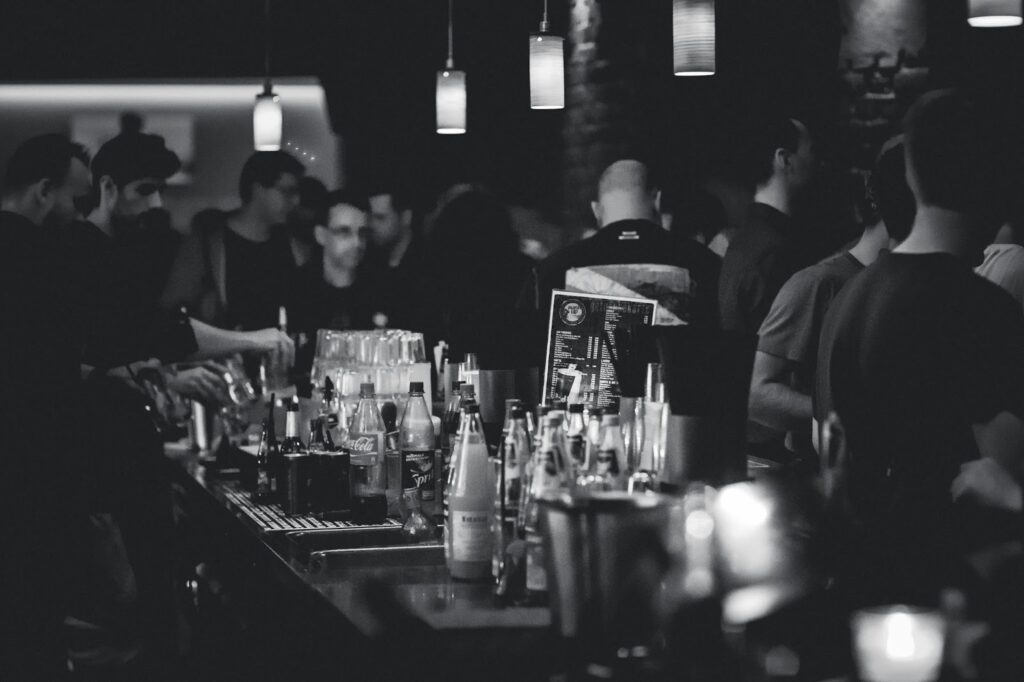
Photo by Pixabay: https://www.pexels.com/photo/grayscale-photography-of-bottles-on-top-of-table-274192/
Atmosphere can make or break a dining experience. For restaurants, visual design isn’t decoration, it’s strategy. Every texture, light reflection, and tabletop detail communicates identity. The right accessories transform a standard table into a curated dining environment that reflects the brand’s tone, from casual comfort to refined precision.
In recent years, custom table accessories have moved beyond aesthetics. They play a measurable role in branding, customer engagement, and retention. When designed with intent, even small elements like custom drink mats or napkin holders can elevate perception and improve operational flow.
Branding Through Subtle Details
A restaurant’s brand isn’t just its logo, it’s a system of visual cues. Tabletop accessories carry that identity directly into the customer’s hands.
Custom-designed items like custom drink mats allow brands to communicate personality through texture, color, and messaging. Whether made from cork, recycled pulpboard, or high-gloss laminate, they do more than protect surfaces. They reinforce consistency.
For example, a craft brewery may print local artwork or seasonal menus on its coasters, connecting guests with its community focus. A fine dining restaurant might opt for embossed leather mats that reflect sophistication and durability. Meanwhile, fast-casual eateries benefit from disposable branded coasters that double as promotional materials for upcoming menu items.
These small touchpoints increase recall value. When customers leave with a mental image of consistent, high-quality branding, they’re more likely to return and recommend.
Custom Table Accessories That Make an Impact
While coasters are among the most visible, table branding extends much further. The best restaurants view every accessory as a functional design element that supports the dining rhythm.
Here are examples of accessories that elevate a restaurant’s presentation:
- Drink Mats and Coasters: Protect surfaces while reinforcing branding with color, texture, and print.
- Table Tents and Menu Holders: Compact displays for specials or QR code menus that complement the overall theme.
- Napkin Rings or Folds: Minimalist details that maintain table order and highlight craftsmanship.
- Cutlery Rests: Prevent utensils from touching the table, supporting hygiene and refinement.
- Condiment Trays: Uniform containers reduce clutter and improve perceived cleanliness.
- Centerpieces and Candles: Small touches that define lighting tone and atmosphere.
Each accessory should balance form and function. The best designs integrate naturally, improving efficiency without distraction.
Material Choices and Functionality
Functionality drives good design. Materials must withstand wear, moisture, and temperature while aligning with aesthetic goals.
Cork and wood exude warmth and sustainability, ideal for rustic or eco-conscious restaurants. Acrylics and stainless steel, by contrast, complement modern spaces emphasizing precision and minimalism.
For drink mats, absorbent pulpboard remains an industry staple. However, premium options like polyurethane leather or rubberized bases enhance longevity, especially in high-turnover environments.
Restaurants that serve high volumes of beverages benefit from reusable designs. They reduce waste and reinforce environmental responsibility, a growing concern among diners.
Hygiene and Maintenance Standards
Visual appeal means little if cleanliness lags behind. Accessories must be easy to clean, sanitize, and replace. This is particularly true in high-turnover restaurants, where table resets occur dozens of times per hour.
Materials like coated pulpboard and synthetic leather resist staining and dry quickly, preventing bacterial buildup. Establishing rotation cycles where worn coasters or placemats are replaced weekly ensures consistency in both hygiene and brand perception.
Restaurant managers should also train staff to handle accessories carefully during service. Scratched surfaces, faded prints, or uneven placements can diminish the professional aesthetic instantly.
Customization as a Branding Strategy
Customization doesn’t just make accessories look good, it creates identity alignment. When guests notice that every element, from menu fonts to coasters, follows the same visual DNA, the restaurant feels intentional and reliable.
This visual consistency builds subconscious trust. Customers assume that a restaurant meticulous about table details is equally precise about ingredients, service, and safety.
Final Thoughts
Table accessories have evolved from simple tools to integral branding components. Thoughtful integration of custom drink mats and other tabletop elements adds layers of professionalism, personality, and cohesion.
The modern diner expects more than a meal. They expect an experience where every detail feels deliberate. By refining these small touches, restaurants can strengthen their visual identity and create a dining environment that’s not just clean, but memorable.